
192-203 Multimedia Design 3(3-0-6)
Studies the importance, principles, and benefits of multimedia design. It covers the use of creativity and imagination in creating multimedia, the application of color, line, text, images, and lighting and shadows, as well as interpretation and the composition of graphics and multimedia.
- Teacher: Dr. Kay Thwe Min Han
190-102 Mathematics and Statistics for Information Technology 3(3-0-6)
Set, logic, using set and logic in computer systems, boolean algebra, matrix and determinant, function, descriptive statistics, frequency distribution, probability theory, probability distributions, sampling and hypothesis testing, correlation analysis,
application of mathematics and statistics for information technology.
- Manager, Teacher: Aj. Yinmin Khin
190-209 G3 Linux Fundamentals and System Deployment (Jan-2026)
Basic Linux commands such as file systems operations and redurections, including basic shell scripting. Deployment of web application on Linux virtual machine. Installation of server software, server configuration, building web application using package manager, container technology, and trouble-shooting.
- Teacher: Aj. Duong Vu Xuan Quynh
190-209 G2 Linux Fundamentals and System Deployment (Jan-2026)
Basic Linux commands such as file systems operations and redurections, including basic shell scripting. Deployment of web application on Linux virtual machine. Installation of server software, server configuration, building web application using package manager, container technology, and trouble-shooting.
- Teacher: Aj. Duong Vu Xuan Quynh
192-204 G2 Data Communication and Networking (Jan-2026)
Prerequisites: None.
This course covers concepts of data communication, data communication components, types of networks, local area networks (LANs), network methodologies, network standards, network planning and design, data communication at the interconnection level between open systems, control layers, physical link control, data communication technologies, and routing and switching methods. Security and Applications.
Study concepts of data communication, components of data communication, types of computer networks, local area networks, network topologies, network protocol standards, network system planning and design, data communication layers in open system interconnection: control layer, physical link control, data communication technology, routing and switching, security and application.
- Teacher: Aj. Duong Vu Xuan Quynh
192-204 G1 Data Communication and Networking (Jan-2026)
Prerequisites: None.
This course covers concepts of data communication, data communication components, types of networks, local area networks (LANs), network methodologies, network standards, network planning and design, data communication at the interconnection level between open systems, control layers, physical link control, data communication technologies, and routing and switching methods. Security and Applications.
Study concepts of data communication, components of data communication, types of computer networks, local area networks, network topologies, network protocol standards, network system planning and design, data communication layers in open system interconnection: control layer, physical link control, data communication technology, routing and switching, security and application.
- Teacher: Aj. Duong Vu Xuan Quynh
100-103 Principles of Logics and Thinking Skill for Lifelong Learning 3(2-2-5)
Study principles of logics; basic concepts of thinking processes: inductive and deductive thinking; the adoption of various thinking skills to solve different problems including analytical thinking; comparative thinking; synthesis thinking; critical
thinking; considerate thinking; applied thinking; conceptual thinking; strategic thinking; problem-solving thinking; integrative thinking; creative thinking; future thinking; and self-study learning ad well as a skill for accessibility of knowledge in.
- Teacher: Hpoo Pwint Dahlia Maung
100-101 Principles of Economics and Philosophy of Sufficiency Economy 3(3-0-6)
General economic principles deal with the allocation of scarce resources for highest utility, consisting of macro economics which explains the theory of national income, consumption behavior, savings and investment, price theory, income, government
budget, money and banking and global economics. Micro economics deals with the behavior of the individuals, demand of consumers, the cost theory and market structures. The self sufficiency philosophy stipulates a middle way and no excess in spending.
- Teacher: Hpoo Pwint Dahlia Maung
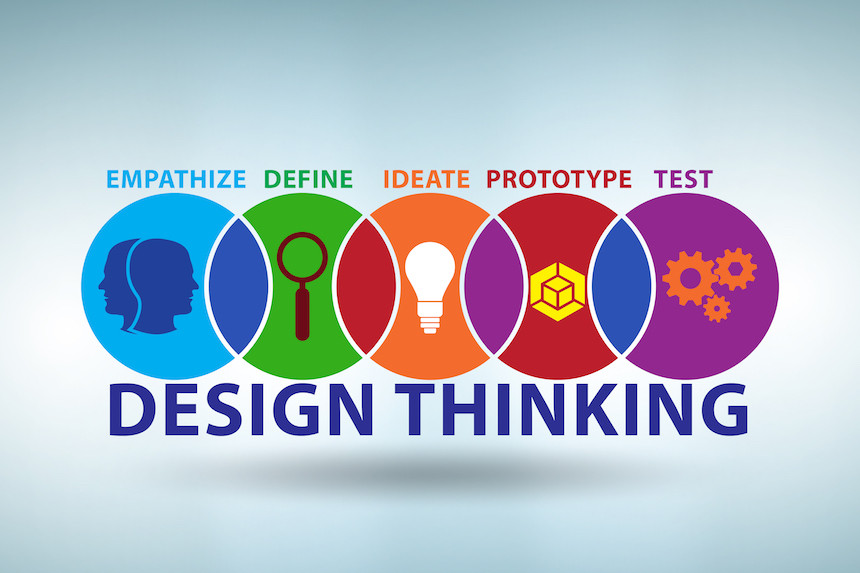
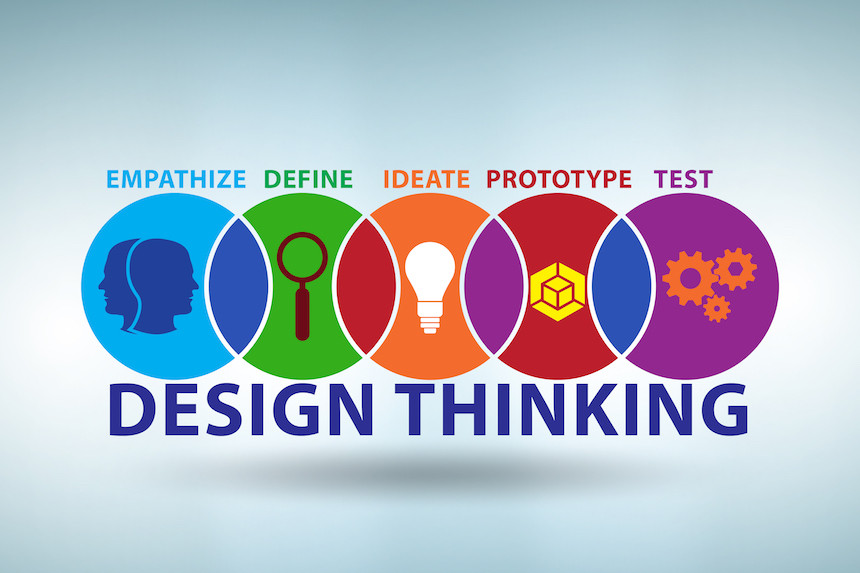
117-602 G4 Design Thinking for Creating Innovation and Start-up Based on Sustainability 3(2-2-5)
Inspiring learners to become innovators and entrepreneurs. This course focuses on the concepts, processes, and skills needed for designing innovation. It includes understanding creative processes and design using various tools and techniques, enhancing brainstorming and collaboration skills,
and emphasizing Design Thinking. This process involves understanding the problem, analysing and synthesizing information, generating new ideas, and developing prototypes to create new businesses, all while considering ESG principles and sustainability. Practical
training is also included.
- Teacher: Sabbir Hossain